Why I Specialize in Designing for Blue-Collar Industries
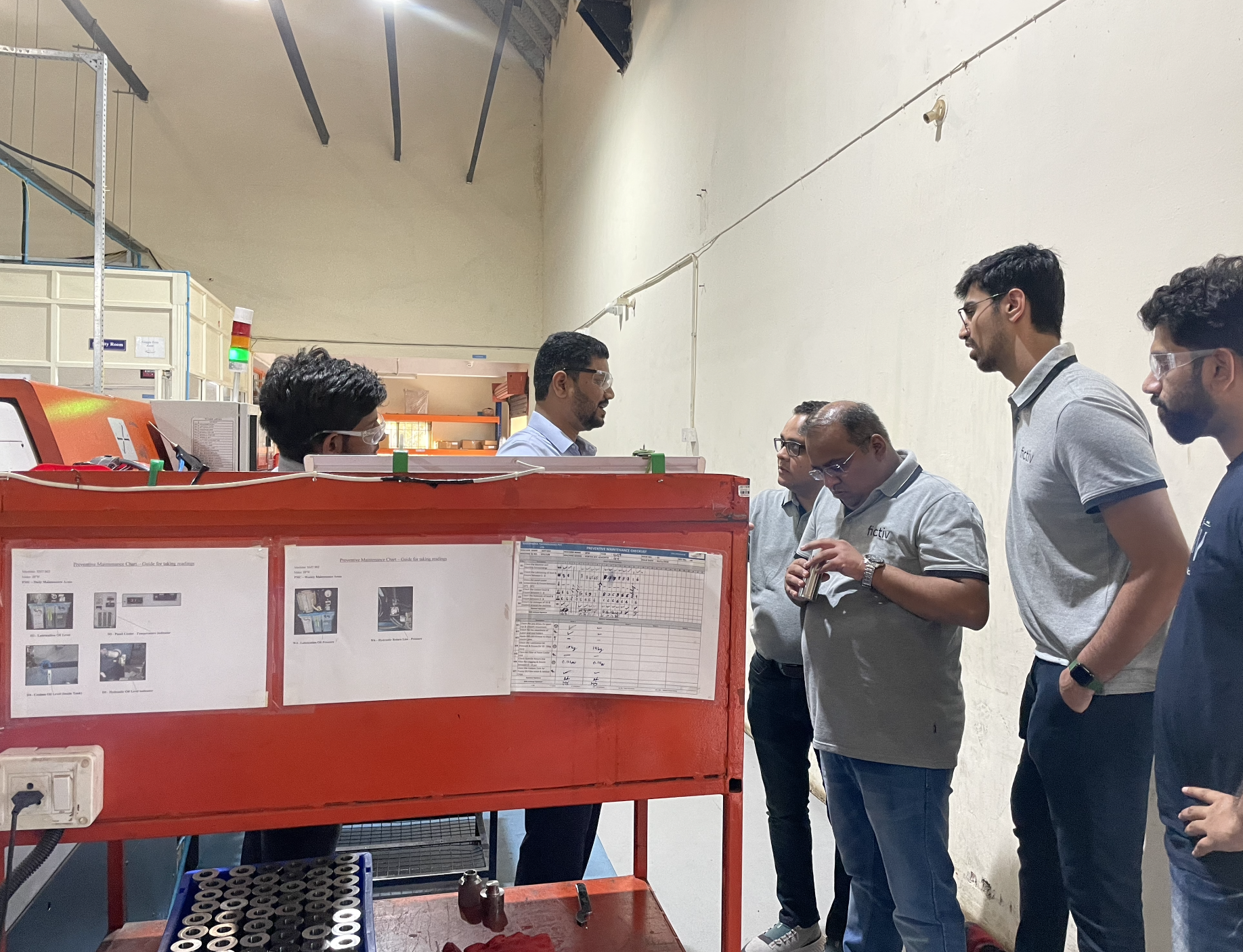
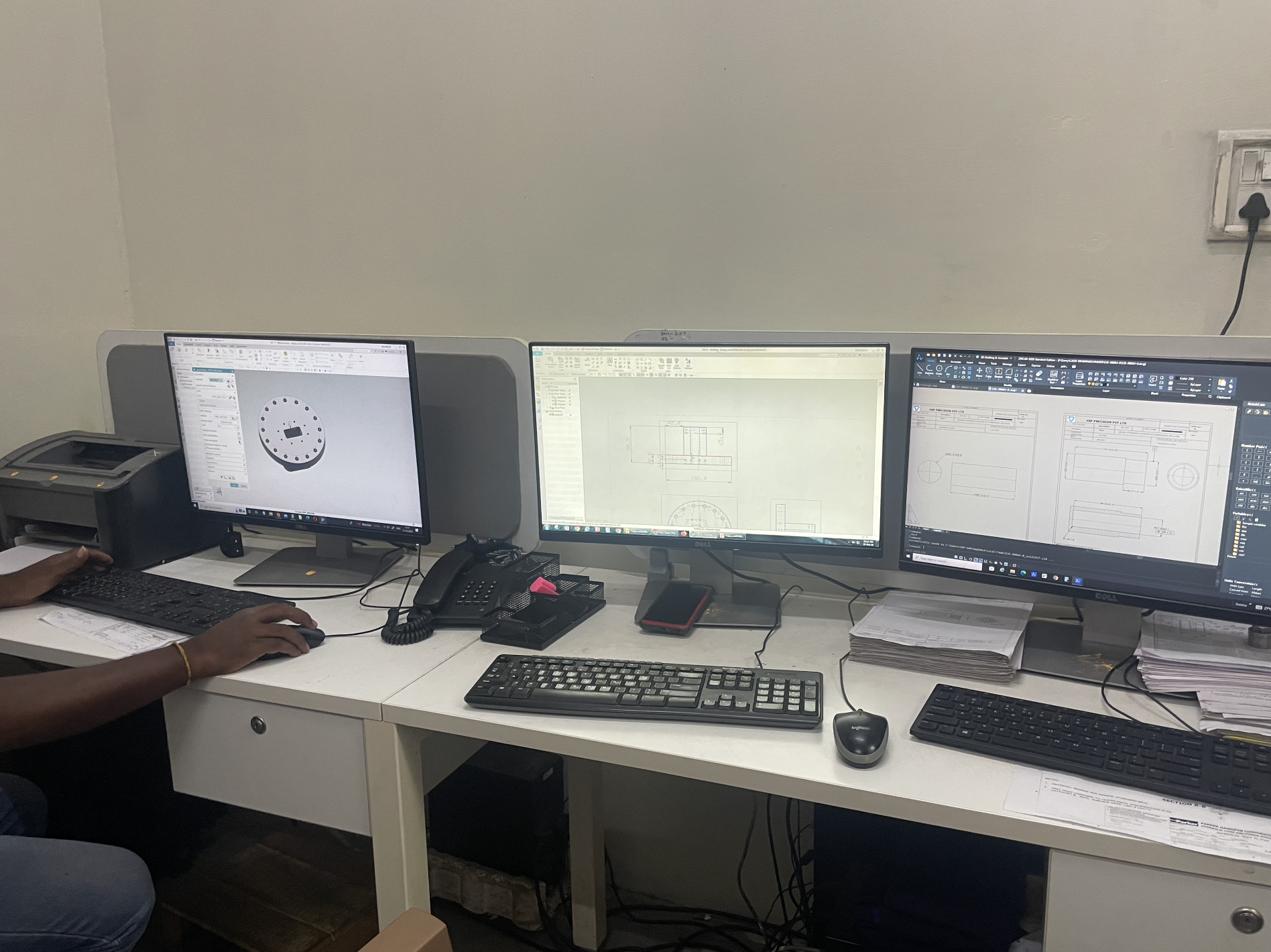
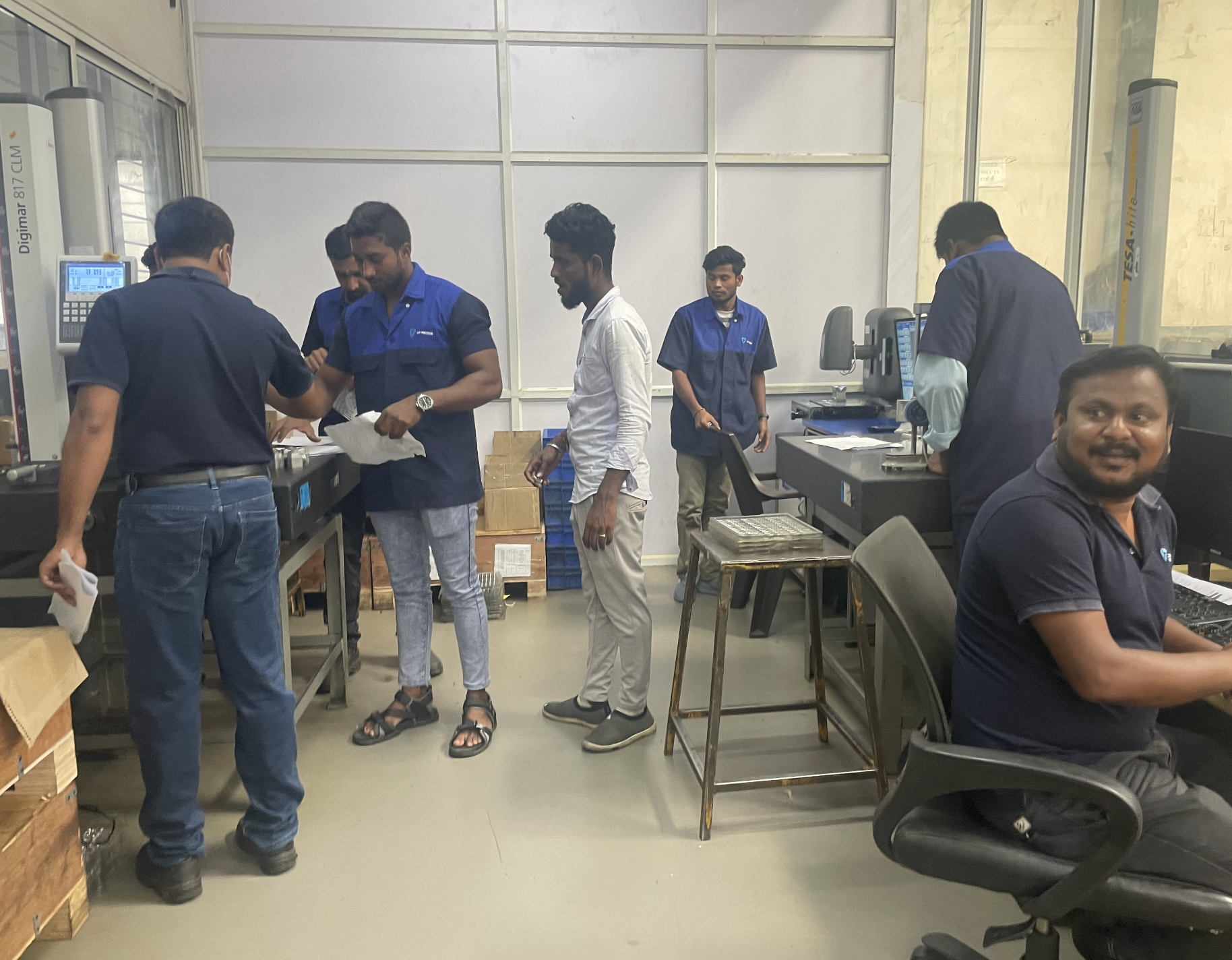
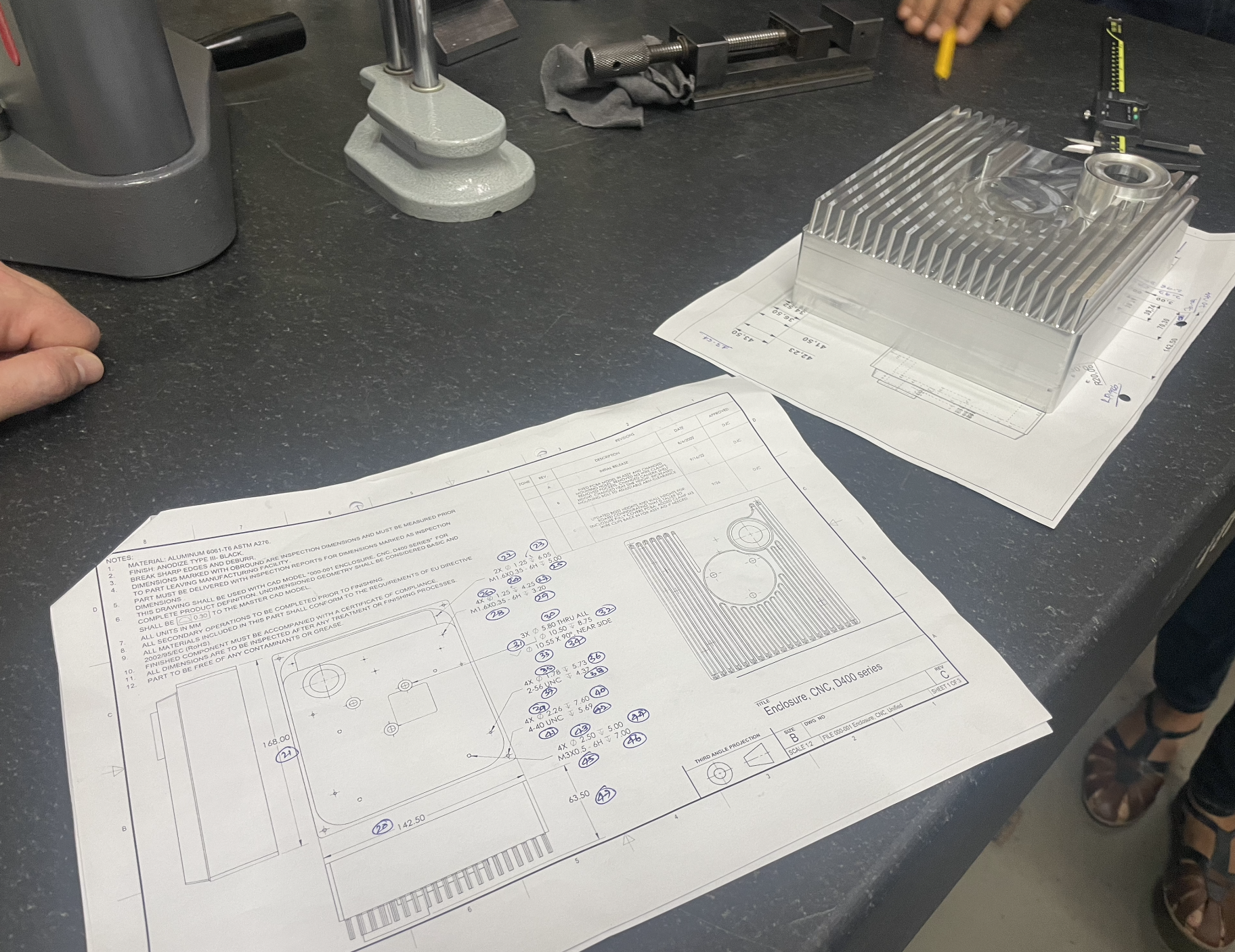
I'll never forget the first time I watched a factory operator try to use the software I designed. I traveled to Bangalore, India, and watched as he downloaded part drawings, printed them out, and totally walked away from the computer. He didn't even use the software I designed, when I thought he would need to use it the most. If he was using it, that was when he was finished making the part and needed to do an inspection.
That moment changed how I think about design, especially in hands-on environments. The embarrassment I felt when I realized, oh wow, he's never going to use it the way I thought he would.
Most product designers spend their careers optimizing for people sitting at desks with good lighting, fast internet, and uninterrupted focus time. I design for people who are standing, moving, wearing safety gear, switching between tasks every few minutes, and working in environments that would make most office workers uncomfortable. And honestly? I love it.
How I Got Here:
My path to this specialization wasn't exactly planned. I started in industrial design, where I learned to think about how people physically interact with objects. How does this feel in your hand? Can you use it while wearing gloves? What happens when it gets dropped or covered in dust? Those questions shaped how I think about everything, even software. It's important to understand the physical aspect of digital design, something I think a lot of people take for granted.
When I transitioned into product design, I gravitated toward enterprise tools. The first freelance job I got was a trucking logistics platform, then I spent 5 years on a manufacturing and logistics software, then finally my most recent roles was a geospatial CAD software for road surveyors. I think you see the pattern here, but it wasn't me cornering myself in, it's because I actually really love working on these platforms.
There was something deeply satisfying about designing tools for people whose work actually produces tangible things. Not engagement metrics or conversion rates, but physical goods, delivered packages, mapped terrain, and built infrastructure. These are complex, cross-functional, always need some kind of improvement, always stuck in some kind of manual process. They are just really fun.
What Makes These Industries Different?
Designing for manufacturing, trucking, logistics, construction, and emergency services is fundamentally different from designing consumer apps or typical SaaS products. The constraints are physical, not just digital.
Your users might be wearing gloves, standing in direct sunlight, or working in temperatures that would make your laptop shut down. They're switching between a dozen tasks, not sitting through a 30-minute onboarding flow. They need answers in seconds, not after clicking through three dropdown menus. And when something goes wrong, the consequences aren't just a frustrated user. It's a delayed shipment, a safety issue, or thousands of dollars lost.
But here's what I find most interesting: these constraints make you a better designer. When you can't rely on tooltips, gradients, or clever micro-interactions to guide users, you have to focus on clarity. When your users don't have time for training, your interface has to be intuitive. When the stakes are high, every decision matters.
Why This Work Matters to Me?
I could design consumer apps or B2C products. I could optimize checkout flows or build social features. But I keep coming back to this space because the work feels meaningful in a different way.
The people I design for aren't scrolling through feeds or shopping for fun. They're doing essential work. They're building things, moving things, fixing things, and keeping systems running. When I make their software better, it doesn't just improve metrics. It makes their jobs easier, safer, and less frustrating. That matters to me.
I also think these industries are underserved by good design. Tech companies love to talk about "disrupting" industries, but disruption without understanding often creates more problems than it solves. What these industries need isn't disruption. They need designers who take the time to understand their workflows, respect their expertise, and build tools that actually work for them.
That's the work I want to do.
What's Coming in This Series?
Over the next few weeks, I'm going to share what I've learned designing for hands-on industries. I'll talk about what makes industrial software different, share specific stories from the factory floor, explain how to do research in these environments, and outline the design principles I follow when building tools for complex, physical work.
This isn't theoretical. It's based on years of watching users, making mistakes, learning from subject matter experts, and shipping products that people actually use in the field.
If you're a designer who's curious about enterprise, industrial, or mission-critical software, or if you're already working in these spaces and want to compare notes, I hope you'll follow along.
Let's design software that respects the people who keep the physical world running.